

The Role of Luck in Casino Games
Luck is often portrayed as a key element in the world of casino games, where players hope to hit a winning streak. In games of chance, such as slots or roulette, luck plays an indisputable role. Players place their bets with the hope that a favorable outcome will materialize, often relying on superstition or personal beliefs about luck to influence their choices, especially when they consider options like fast withdrawal casino canada real money that can enhance their gaming experience. However, while luck is a critical factor, it is essential to remember that luck can be unpredictable and can vary significantly from one gambling session to another.
Beyond mere chance, players often employ strategies that can enhance their experience, blending skill with luck. For instance, in poker, players must not only rely on the cards dealt to them but also on their ability to read opponents and make calculated decisions. This combination suggests that while luck can dictate immediate outcomes, the overall success in some games may hinge on skills and strategies developed over time. Thus, players should approach their gaming endeavors with a balance of optimism and realistic expectations regarding luck’s influence.
Ultimately, the nature of luck in casino environments remains complex. Some players may experience streaks of good fortune, leading to significant wins, while others might face a harsh string of losses. This duality highlights that luck can create a compelling narrative around gambling, capturing the excitement and suspense that draw players to casinos. However, it also reminds us that luck alone cannot guarantee sustained success in the long run.
The Importance of Strategy and Bankroll Management
While luck can significantly affect individual game outcomes, strategy and bankroll management are crucial elements that contribute to a player’s overall success in casinos. Establishing a budget before entering a casino is an essential first step. Good bankroll management means players can prolong their gaming experience without risking their financial stability. By setting limits on how much to wager or how long to play, gamblers can enjoy their time while minimizing the stress associated with potential financial losses.
In addition to budget considerations, employing strategic approaches tailored to specific games can dramatically influence a player’s success. For example, blackjack players often use strategies like card counting to tilt the odds in their favor. Similarly, experienced poker players utilize bluffing tactics and game theory to outmaneuver their opponents. These strategic elements prove that beyond luck, knowledge and skill can substantially determine outcomes, promoting the idea that players should enhance their understanding of the games they engage in.
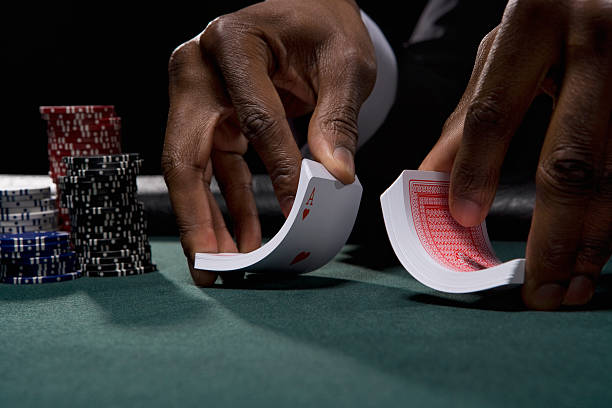
This strategic mindset does not eliminate the role of luck, but it emphasizes that relying solely on chance can be detrimental in the long run. Players who recognize the importance of skillful play, alongside the unavoidable whims of luck, are often better positioned to navigate the unpredictable landscape of gambling, thus increasing their chances of achieving long-term success and enjoyment.
Psychological Factors in Gambling
The psychological makeup of players influences their perception of luck and its role in their gambling success. Cognitive biases, such as the gambler’s fallacy, often lead individuals to believe that past outcomes will affect future results. For instance, if a player observes a series of losses, they may assume that a win is due based on probability, ignoring the random nature of chance-based games. Understanding these psychological factors is crucial for players who wish to make informed decisions rather than fall victim to misleading perceptions.
Additionally, confidence plays a significant role in how players engage with casino games. A player who feels ‘lucky’ might take risks they wouldn’t ordinarily consider, driven by a sense of impending success. However, overconfidence can lead to poor decisions, often resulting in losses that could have been avoided by adhering to a well-thought-out strategy. Players should strive to maintain a balanced mindset, recognizing both the thrill of luck and the necessity for self-control in managing their gambling behaviors.
Moreover, emotional responses can vary widely in the casino environment, with excitement often accompanying potential wins and frustration arising from losses. Being aware of these emotional dynamics is vital for making rational decisions while gambling. Players who cultivate emotional intelligence in their gaming habits can better manage expectations and understand when to step away, thereby creating a healthier gambling experience that does not overly rely on luck.
The Impact of Casino Design and Atmosphere
The environment of a casino is meticulously crafted to enhance the player experience, often influencing perceptions of luck and success. Factors such as lighting, sound, and layout of games are designed to create an atmosphere that stimulates excitement and encourages players to engage with their favorite games. This immersive environment can evoke strong feelings of hope and anticipation, leading players to believe that they might be just one spin or hand away from a significant win.
Additionally, certain design elements, such as the positioning of high-stakes tables and the proximity of slot machines, can affect player behavior. Casinos may strategically place games that are perceived to offer higher payouts in prominent locations to attract players. When individuals observe others winning nearby, it can create a bandwagon effect, instilling the belief that luck is in the air and encouraging them to participate. However, these feelings do not alter the inherent odds of the games.
Ultimately, while the casino atmosphere can enhance the excitement surrounding gambling, it also plays a role in how players attribute their successes or failures to luck. Understanding the psychological impact of these design elements can empower players to make informed choices that balance enjoyment with a realistic understanding of the unpredictable nature of luck in gaming scenarios.
Exploring Reliable Resources for Gamblers
For those looking to delve deeper into the world of gambling, various reliable resources and websites exist to provide insightful guidance. These platforms offer valuable information on game strategies, odds, and tips for managing one’s gambling experiences effectively. Educating oneself through reputable resources can empower players to make informed decisions that extend beyond pure luck, enhancing their overall understanding of the gaming landscape.
Websites dedicated to casino gaming often feature tutorials, expert advice, and community forums where players can share experiences and strategies. These platforms cultivate a sense of belonging among gamblers while promoting responsible gaming practices. By engaging with such resources, players are more likely to develop a balanced approach to gambling, recognizing the role of luck while integrating strategic and psychological elements into their gameplay.
As the gambling landscape continues to evolve, staying informed about shifts in gaming trends, technology, and legislation can be immensely beneficial. Players who equip themselves with knowledge are better positioned to navigate the complexities of the casino world, ensuring that their experiences remain enjoyable, responsible, and less reliant on luck alone. Such awareness enables gamblers to approach their favorite games with confidence and informed decision-making.